Over the past decade, Justin Rule from Launch Kits has helped launch more than 2,000 businesses—both directly and through partnerships. Along the way, he’s worked closely with founders at every stage, from scrappy startups to rapidly scaling companies. His perspective isn’t theoretical; it’s grounded in real conversations, real struggles, and real outcomes.
Drawing from his own journey and the patterns he’s observed across thousands of entrepreneurs, Justin offers a refreshing take on some of the most common beliefs in business. These ideas are popular because they contain a grain of truth—but as he puts it, they’re often “mixed with the poison of… just not being the whole truth.”
What follows is a breakdown of six of the most persistent myths in entrepreneurship—and the reality that can help you build a more sustainable, fulfilling path forward.
MYTH: If I work harder, I’ll earn the rest I deserve
THE TRUTH: Rest isn’t a reward—it’s a requirement
One of the most ingrained beliefs in business culture is that rest must be earned. Work harder now, push through exhaustion, and someday you’ll deserve a break. Justin challenges this head-on.
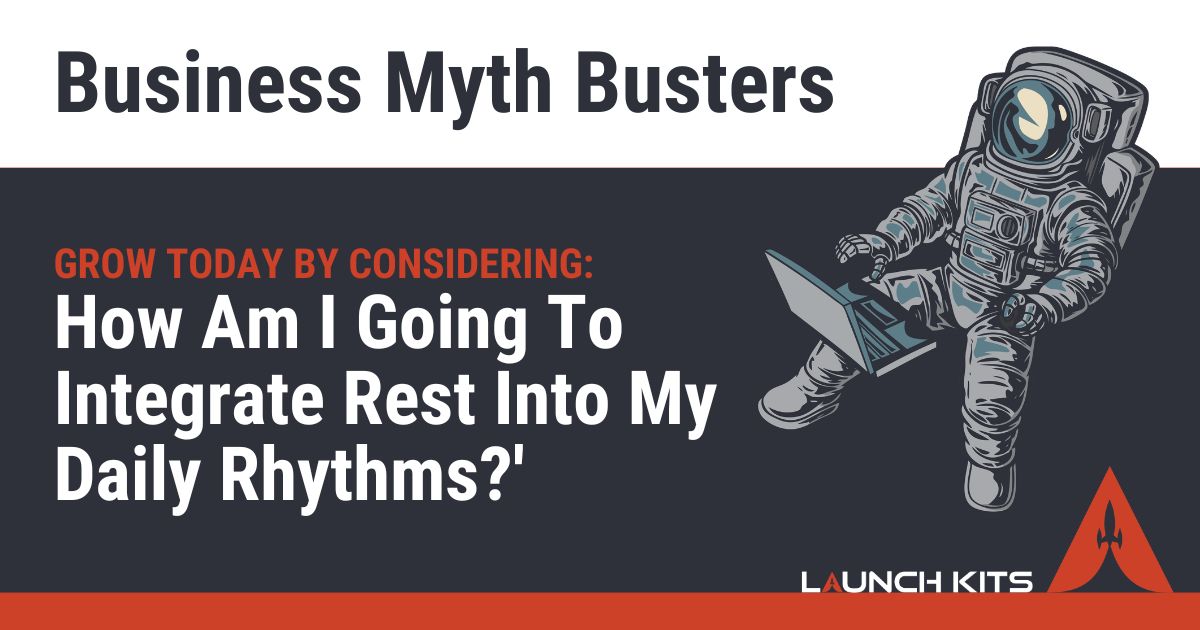
Rest is essential, not optional – so the question becomes ‘How Am I Going To Integrate Rest Into My Daily Rhythms?’
Rest isn’t something you delay until burnout forces your hand. It’s something you design into your life now. Research in neuroscience continues to confirm what many entrepreneurs learn the hard way: without proper recovery, your performance, creativity, and decision-making all suffer.
Instead of asking how long you can go without rest, ask how you can intentionally build it into your weekly rhythm. That might mean unplugging one full day a week, setting boundaries around work hours, or simply creating space to recharge. The entrepreneurs who last aren’t the ones who grind endlessly—they’re the ones who know when to step back.
MYTH: Money follows the hardest workers
THE TRUTH: Hard work often leads to more responsibility—not more fulfillment
It’s easy to believe that the hardest workers will naturally earn the most money—and that money will bring satisfaction. But Justin reframes this in a striking way:
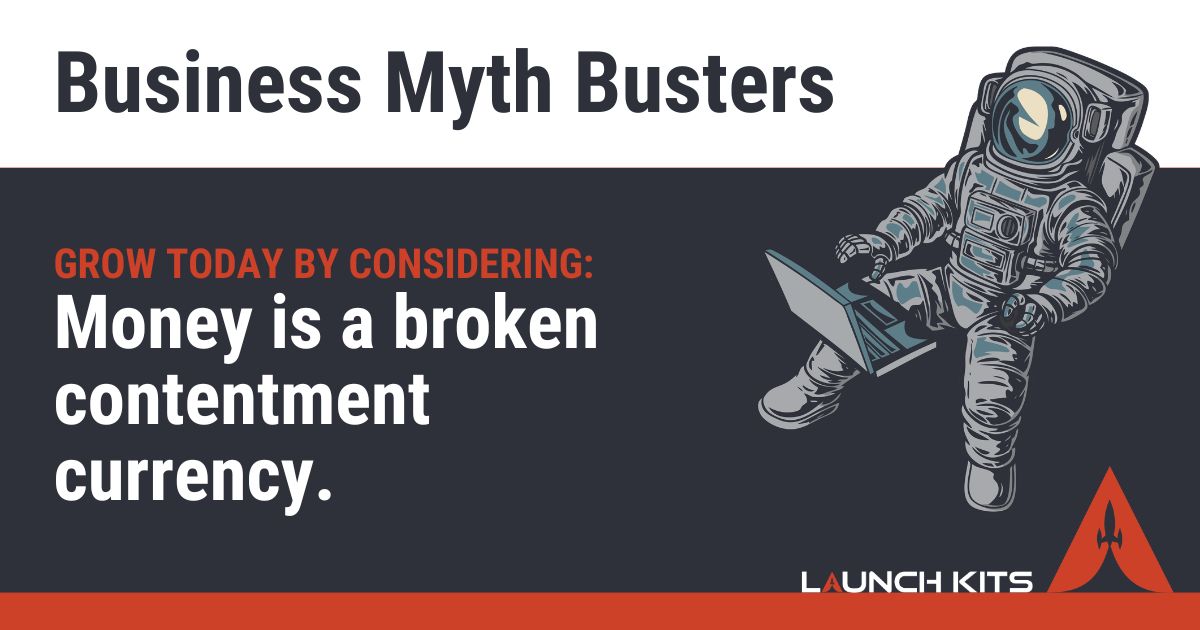
“Money is a broken contentment currency.”
In reality, working harder often leads to more responsibility, not necessarily more freedom or happiness. You may earn more, but you’ll also carry more weight—more decisions, more stress, more complexity.
Justin also draws an important distinction between money and wealth. Wealth isn’t just financial—it includes your health, relationships, time, and overall quality of life. Many people who are “rich” in dollars are poor in these other areas.
If you’re chasing money alone, you may reach your goal only to realize it doesn’t deliver what you expected. Instead, aim for a broader definition of success—one that includes the things that actually make life meaningful.
MYTH: I’ll work hard now so I can relax later
THE TRUTH: You don’t magically learn to relax—you practice it
This myth sounds logical: sacrifice now, enjoy later. But Justin points out a hidden flaw—your habits don’t automatically change just because your circumstances do.
“You will only perfect what you practice.”
If you spend years training yourself to constantly push, hustle, and stay busy, that mindset becomes ingrained. When the time comes to “relax,” you may find you simply can’t.
Justin has seen this play out firsthand, noting that many people who planned to slow down later never actually do. “I’m watching them in their 70s and 80s still working hard… when are you going to relax?”
Relaxation isn’t a switch you flip—it’s a skill you build. If you want a future that includes rest and enjoyment, you need to start practicing those things now, even in small ways.
MYTH: I’m not successful because I’m not working as hard as others
THE TRUTH: You’re comparing your life to a filtered version of someone else’s
Comparison is one of the fastest ways to feel like you’re falling behind. You see someone else’s growth, their team, their revenue—and assume they must be working harder or doing something better.
But Justin urges caution:
“Don’t assume that that person you’re looking at is successful and happy and loving everything that they’re doing.”
Every level of success comes with trade-offs. Bigger businesses bring bigger problems—more employees, more overhead, more stress. What looks impressive from the outside may feel overwhelming on the inside. We are conditioned to present the best version of ourselves… to ourselves and others. Vulnerability is the decision and intentional exposure of our true self, struggles, hopes, and story to trusted people who will help us face ourselves with kindness and honesty.
The takeaway? Define success on your own terms. What do you actually want your life to look like? Once you’re clear on that, you can stop chasing someone else’s version of success and start building your own.
MYTH: A bigger business and higher income will make me happier
THE TRUTH: Growth doesn’t guarantee happiness—it often amplifies stress
It’s tempting to think that scaling your business or increasing your income will solve your problems. But Justin is blunt about this:
“If big business made happy owners, the world would be a different place.”
Larger businesses often come with increased complexity—more moving parts, more risk, and more demands on your time. Instead of simplifying your life, growth can make it harder to manage.
That doesn’t mean growth is bad—but it does mean it’s not a guaranteed path to happiness. If your current business isn’t aligned with your values or lifestyle, scaling it may only magnify those misalignments.
Happiness isn’t something you unlock at a certain revenue milestone. It’s something you cultivate through how you structure your work, your time, and your priorities right now.
MYTH: You Can Work Smarter Not Harder
THE TRUTH: Working smarter is harder! It requires discipline, boundaries, and intention
“Work smarter, not harder” is one of the most common pieces of advice in business—but it’s often misunderstood. Many people assume it means finding shortcuts or avoiding effort.
Justin flips that idea:
“Smarter is harder.”
Working smarter means setting boundaries—deciding when you’ll work and when you won’t, and sticking to it. It means prioritizing what actually matters instead of reacting to everything. It means saying no to opportunities that don’t align with your goals.
And all of that takes discipline. It’s often easier to just keep working, keep saying yes, and keep pushing forward without stopping to think.
But if you want a sustainable business and a balanced life, you have to “break the mold.” That means being intentional about how you work—not just how much.
Final Thoughts For Business Owners
The reason these myths are so powerful is because they’re almost true. Hard work does matter. Growth can bring opportunity. Money can solve certain problems. But when these ideas are taken to the extreme—or treated as universal truths—they can lead you down a path that’s ultimately unsatisfying.
Justin’s message isn’t about lowering your ambition—it’s about refining it. Whether you are building a lawn care business or a home services company, it’s about building a business that supports your life, not one that consumes it.
If there’s one takeaway from these lessons, it’s this: pause and reevaluate. As Justin suggests, even a small moment of reflection—“as you drive to your next job today”—can help you reset your direction.
You don’t need to follow the default script of hustle, comparison, and endless growth. You can choose a different path—one that includes rest, clarity, and a definition of success that actually fits your life.